
Woodworking advice
How Long Does Cabinet Refinishing Take? A Connecticut Homeowner’s Timeline
A realistic look at preparation, curing, kitchen access, and the details that can extend a cabinet refinishing project.
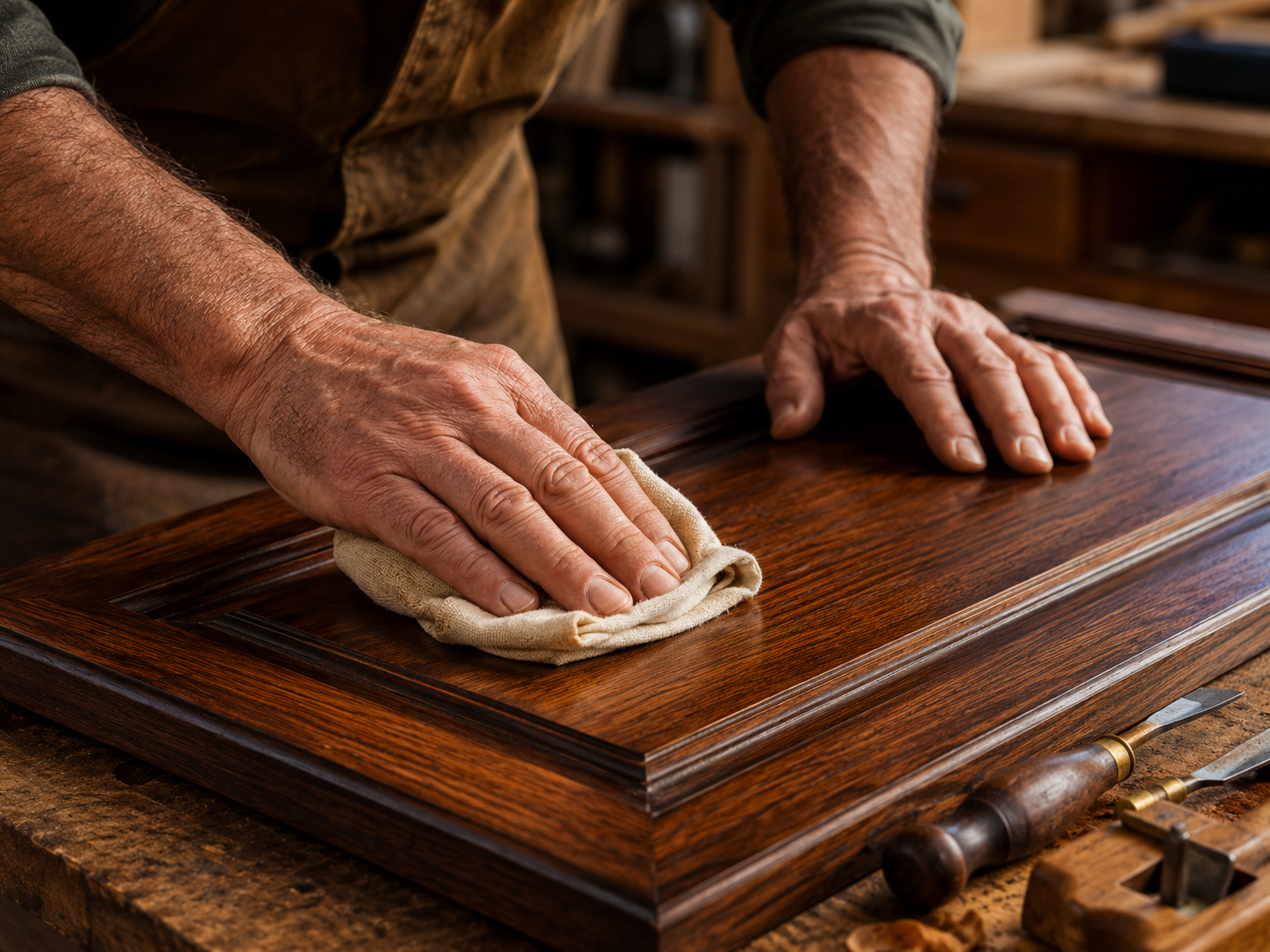
A realistic look at preparation, curing, kitchen access, and the details that can extend a cabinet refinishing project.
Why a cabinet refinishing timeline is not just painting time
The biggest misunderstanding about refinishing is that the schedule begins when a painter picks up a brush. A durable result starts with inspecting the cabinetry, identifying the existing coating, protecting the room, removing hardware, labeling doors, cleaning cooking residue, and preparing surfaces. Each step influences adhesion and appearance. A quick finish over contamination may look good for a few weeks but can fail around handles and high-touch edges. Ask a contractor to describe the entire process rather than promising a single number of days.
The inspection and planning stage
Before scheduling work, examine cabinet boxes for swelling, loose joints, damaged veneer, and evidence of leaks around the sink and dishwasher. Doors may be solid wood, MDF, veneer, or factory-coated material, and each behaves differently. Identify which pieces need repairs and whether hardware will be reused. Discuss colors and sheen under both daylight and evening lighting. Sample boards help avoid surprises. The written proposal should identify surfaces being refinished, repair allowances, coating systems, and who moves appliances or clears countertops.
Day one: protecting and documenting the kitchen
A careful crew protects floors, countertops, appliances, and adjacent rooms. Doors and drawer fronts are labeled so they return to their original openings. Hardware is bagged and organized. Ventilation and dust containment should be discussed in advance, especially if people or pets will be home. Some projects allow doors to be finished off-site, reducing disruption. Others require substantial on-site work. The approach depends on the construction and condition of the cabinets, not just the kitchen's square footage.
Preparation takes longer than homeowners expect
Cooking oils, hand lotion, wax, silicone, and old cleaners can interfere with coating adhesion. Cleaning must be compatible with the existing finish, followed by sanding or other appropriate surface preparation. Damaged edges and small defects are repaired before priming. An older painted kitchen may require a lead-safe work plan. For homes built before 1978, ask about EPA Renovation, Repair and Painting requirements rather than sanding first and asking questions later. Preparation is not the glamorous part of a transformation, but it is often the part that determines whether the transformation lasts.
Primer, finish coats, and drying windows
The coating manufacturer's instructions determine application conditions, recoat intervals, and cure expectations. Humidity and temperature matter. Northern Connecticut's damp summer weather or a chilly house in winter can affect how a coating behaves. A surface that feels dry to the touch may not be ready for heavy handling. Contractors may spray removable components in a controlled environment and coat cabinet frames on-site. Ask which product will be used and request its technical data sheet. There is no universal promise that every cabinet coating can be safely reassembled or scrubbed the next morning.
Reassembly and the final walkthrough
Once coatings are sufficiently ready, doors, drawers, pulls, and hinges are reinstalled. The crew should check alignment, rubbing edges, drawer movement, and finish consistency under normal kitchen lighting. A final walkthrough is the time to document touch-ups and confirm cleanup. If you are also changing hinges, pulls, or soft-close slides, the schedule should account for compatibility and adjustment. Hardware modifications are carpentry tasks, not merely finishing tasks.
How many days should you actually plan for?
For a straightforward kitchen, active work may take several days to more than a week, while complex repairs, extensive stripping, custom colors, or off-site finishing can extend the calendar. Those are planning ranges, not a quote or a promise. The total time until normal use can be longer because coatings need to cure. Get two separate dates in writing: when the crew expects to finish installation and when the manufacturer permits routine cleaning and heavy use. A schedule that ignores cure time is incomplete.
How to keep your kitchen usable
Set up a temporary station with a coffee maker, microwave, utensils, and a few dishes away from the work area. Ask whether the sink, refrigerator, stove, and pantry will remain accessible each day. Remove food and fragile items from cabinets if requested. Plan for some meals that do not require extensive cooking. Keep children and pets away from work zones. Good communication about daily access is often more valuable than a vaguely optimistic completion date.
When refinishing may not be the best solution
Refinishing changes the appearance of existing cabinetry; it does not fix a poor layout or replace structurally compromised boxes. Water-damaged particleboard, severe delamination, or badly sagging shelves may require repairs or replacement. If you want a different door style, refacing may make more sense. If the kitchen needs a new footprint, replacement or custom cabinetry may be warranted. A trustworthy evaluation considers those options before recommending a coating.
Questions to ask before signing
Ask who performs preparation, which components leave the home, how dust and fumes are managed, what repairs are included, and what happens if hidden damage appears. Request a product-specific maintenance guide. Confirm whether the quote covers cabinet interiors, exposed end panels, toe kicks, and decorative trim. Discuss the payment schedule, cleanup, touch-up policy, and expected disruption. Comparing written scopes is far more reliable than comparing two prices without knowing what each includes.
Why local experience matters
Connecticut homes range from historic houses with layers of older paint to newer kitchens with factory finishes. Those conditions can call for very different preparation. Elite Valor Wood Works, a veteran-owned shop in Stafford Springs, evaluates cabinet condition and project goals before recommending refinishing, repair, refacing, or custom work. The best schedule is the one built around the actual cabinetry and the coating system, with clear expectations for the homeowner.
The bottom line
Cabinet refinishing is a sequence of inspection, preparation, coating, drying, reassembly, and curing. Rushing one phase can undermine the others. If you are planning a kitchen update in Northern Connecticut, start with an assessment and ask for a timeline that distinguishes work days from safe-use dates. That conversation will help you plan meals, protect your household, and judge the quality of the proposal.
Frequently asked questions
Can I use my kitchen during cabinet refinishing?
Often partially, but access varies by phase. Ask which appliances and work surfaces will be available each day.
How long before I can clean refinished cabinets?
Follow the specific coating manufacturer's cure and care instructions. Dry-to-touch is not the same as fully cured.
Does humidity slow down cabinet refinishing?
It can. Temperature and humidity affect some coatings, so contractors should follow product specifications.
Do cabinet doors need to be removed?
Usually removable doors and drawer fronts are taken off for careful preparation and finishing, but methods vary.
Can damaged cabinets be repaired before refinishing?
Often yes, depending on the extent of damage and the cabinet materials. Structural issues should be assessed first.
What the research and product instructions tell us
The U.S. Environmental Protection Agency's Renovation, Repair and Painting program explains why lead-safe practices matter when renovation disturbs painted surfaces in pre-1978 homes. The EPA's indoor air quality resources also explain the importance of ventilation and managing indoor pollutants. These resources do not prescribe one universal refinishing schedule: product technical data sheets and the condition of the cabinetry control the actual sequence.
For example, a kitchen with grease buildup near the range may require additional cleaning and adhesion testing before a primer is selected. A kitchen with peeling veneer needs substrate repairs, not simply more paint. When comparing proposals, ask each contractor to explain how the work plan addresses the actual surfaces in your home. A realistic estimate should distinguish hands-on labor, time between coats, reinstallation, and the period before the finish reaches its recommended service conditions.
Why choose Elite Valor Wood Works?
Elite Valor Wood Works is a veteran-owned woodworking business based in Stafford Springs, Connecticut. Its services extend beyond a cosmetic coating to cabinet refinishing, refacing, and repair, making it possible to discuss whether your existing doors, frames, and boxes are good candidates for preservation. The shop also offers custom cabinetry when a targeted replacement or new built-in is more appropriate.
For homeowners in Northern Connecticut, that range of services matters: the right recommendation may involve repairing a worn door, updating a finish, or addressing a damaged cabinet rather than replacing an entire kitchen. Ask for an assessment and a written scope that explains the proposed materials, preparation, timeline, and care instructions. Contact Elite Valor Wood Works for an estimate.
Sources and further reading
EPA: Renovation, Repair and Painting Program · EPA: Indoor Air Quality · National Kitchen & Bath Association. Product-specific drying and cure guidance should come from the selected coating manufacturer.
Discuss your project with Elite Valor Wood Works or explore our woodworking services.