
Woodworking advice
Custom Built-Ins for Small Connecticut Homes: Storage Ideas That Actually Work
From awkward alcoves to mudrooms and living rooms, learn how thoughtful built-ins can add useful storage without overwhelming your home.
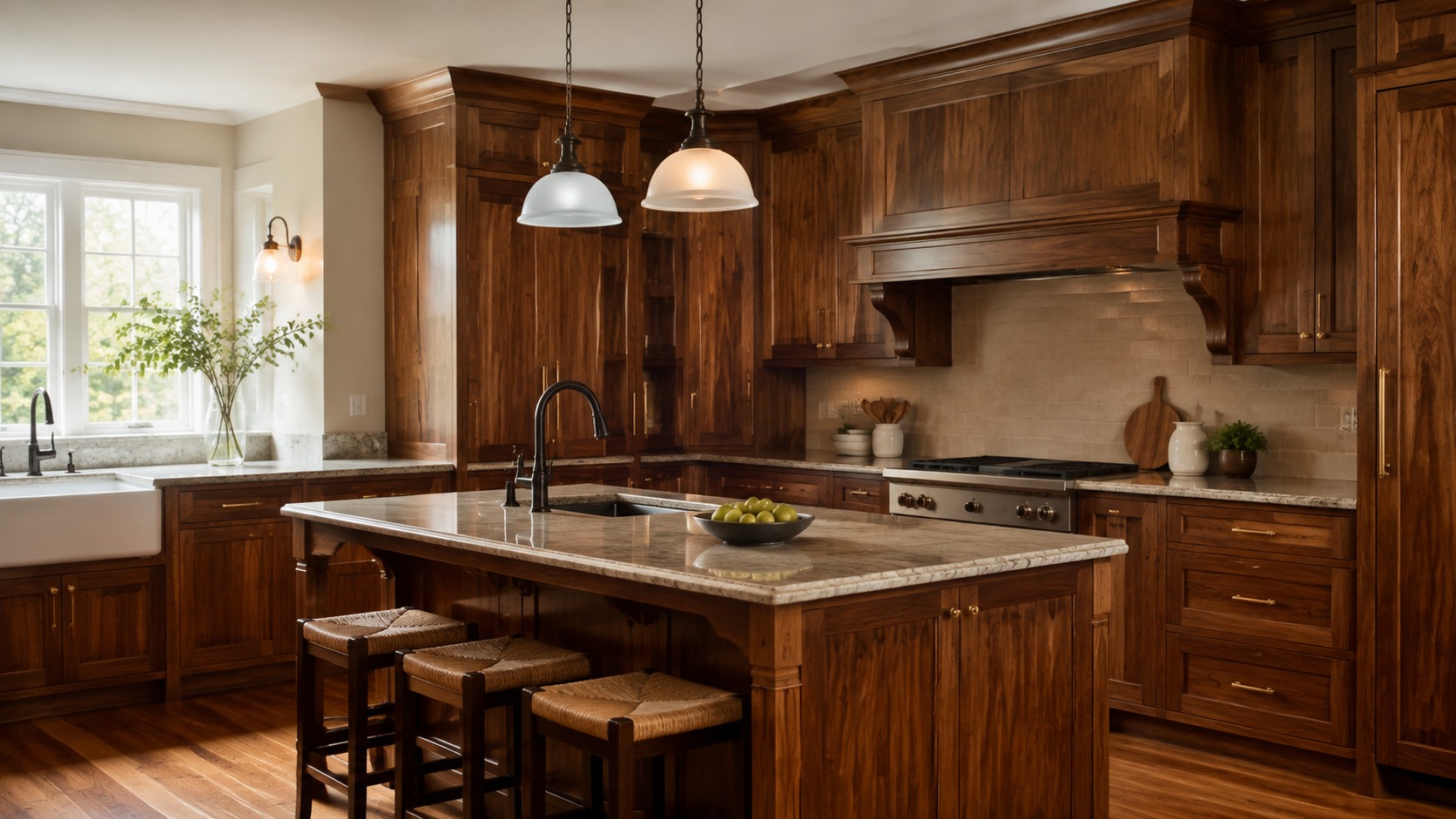
From awkward alcoves to mudrooms and living rooms, learn how thoughtful built-ins can add useful storage without overwhelming your home.
The best storage starts with the way you live
Small rooms do not always need more furniture. They need better use of the space they already have. A freestanding cabinet may leave gaps beside a chimney, under a window, or beneath a sloped ceiling. A custom built-in can use those awkward dimensions while creating a more intentional appearance. The first question is not how many shelves will fit. It is what you need to store, how often you reach for it, and whether the room should feel open or enclosed.
Measure the real room, not just the wall
Older Connecticut homes often have uneven floors, walls that are not perfectly square, and trim that varies from room to room. Baseboard thickness, radiators, outlets, vents, and window casings all affect a built-in design. A careful site measurement accounts for those details and for the clearance required to open doors and drawers. A cabinet that fits on paper but blocks a heating register is not a successful design. Ask how the installation will handle uneven surfaces and transitions to existing trim.
Living room built-ins that do more than frame a television
A living room wall can combine closed storage for games and electronics with open shelves for books and personal objects. Adjustable shelves are helpful when collections change. Plan cord access and ventilation before building a media cabinet; electronic equipment needs breathing room. Avoid placing heat-sensitive items too close to a fireplace. Where possible, use a mix of open and closed sections so the room does not look crowded. The proportions should relate to the ceiling height, windows, and furniture.
Mudrooms: make the busiest five feet work harder
In a Northern Connecticut winter, coats, boots, backpacks, and wet gloves compete for the same small area. A narrow bench with shoe storage, sturdy hooks, and upper cubbies can reduce the daily pileup. Moisture-resistant finishes and easy-to-clean surfaces matter more here than elaborate ornament. Think about how many people use the entry and where doors swing. A bench that blocks a hallway may solve one problem while creating another. Hooks at different heights can make storage accessible for children without adding bulky furniture.
Home office cabinetry for flexible work
A built-in desk can transform an alcove into a functional work area, but it needs proper depth, legroom, lighting, and power access. Think through monitor size, printer storage, paper files, and cable management. Closed cabinets can conceal equipment during video calls. If the space doubles as a guest room, a restrained design may be more versatile than a full wall of shelving. Avoid assuming every future device will have the same dimensions as the one you own today.
Window seats and under-stair storage
Window seats are appealing because they create a destination in a room while potentially adding storage. Their design must respect heat sources, window operation, and safe access. Under-stair cabinets can use otherwise wasted space, but stair structure and building-system access must be considered. Not every cavity should be enclosed. If the space contains plumbing shutoffs, electrical equipment, or ventilation components, service access is essential. A carpenter should coordinate any changes that touch those systems with qualified trades.
Choose doors, drawers, and shelves deliberately
Deep shelves are inexpensive in theory but can become black holes for small items. Drawers bring contents into view and are especially useful near the floor. Doors hide visual clutter, while open shelving makes frequently used items easy to reach. Adjustable shelving adds flexibility, but long spans need adequate support to prevent sagging. Consider what will be heavy, fragile, or awkward to lift. A good design puts everyday items between knee and shoulder height and reserves harder-to-reach areas for occasional storage.
Materials and finishes that fit the job
Paint-grade cabinetry can create a seamless, architectural look, while visible wood grain can bring warmth to a traditional room. Plywood, solid wood, MDF, and other materials each have strengths and limitations. The right choice depends on structural demands, moisture exposure, finish preference, and budget. Hardware quality also matters. Hinges, slides, and pulls are touched every day, so smooth operation is part of the finished product. Ask for material specifications rather than assuming all custom cabinets are built alike.
Make the new work look like it belongs
Built-ins are most convincing when they respond to existing architecture. Match or intentionally complement door profiles, crown molding, baseboards, and window trim. In a historic home, a simple design may be more appropriate than copying ornate details without regard for scale. In a modern room, clean lines and consistent reveals can keep storage visually quiet. Paint colors should be tested under actual room lighting. A sample that looks white in a showroom may read gray or yellow at home.
Budgeting for a custom built-in
Costs depend on dimensions, material choices, drawer count, finish complexity, electrical coordination, and installation conditions. A wall of simple shelves is not equivalent to cabinetry with dovetailed drawers, specialty hardware, lighting, and detailed trim. Ask for a proposal that explains what is included and what is excluded. If budget is limited, prioritize the storage functions that will change your daily routine. A smaller, well-built project is often more useful than a larger installation filled with compromises.
Installation and long-term care
Installation may involve scribing panels to uneven walls, securing cabinets to appropriate framing, adjusting doors, and finishing trim joints. Confirm whether painting or finishing occurs in the shop or at home. Discuss dust protection and room access. After installation, keep heavy loads within the design's intended capacity and follow the finish manufacturer's cleaning instructions. Avoid prolonged standing water, especially near entryways. Periodic hinge adjustments can keep doors aligned as a home settles.
Work with the space you have
Elite Valor Wood Works designs and builds custom cabinetry and built-ins for homeowners across Northern Connecticut. A useful consultation starts with photographs, rough measurements, and a list of the items that need homes. From there, the conversation can focus on fit, materials, appearance, and a practical scope. The goal is not to fill every inch with cabinets. It is to make the room easier to live in while respecting the character of the house.
Frequently asked questions
Are built-ins worth it in a small home?
They can be when they solve a specific storage problem and fit the room without blocking circulation or light.
Can built-ins be installed in an older home with crooked walls?
Yes, skilled installers can scribe and fit cabinetry to irregular surfaces, though conditions affect scope and cost.
Should I choose open shelves or closed cabinets?
Most homes benefit from a mix: open space for display and closed storage for everyday clutter.
Can built-ins go around radiators or vents?
Only with appropriate clearance and airflow. Heating and ventilation requirements must be evaluated before design.
How do I prepare for a built-in consultation?
Bring photos, approximate dimensions, inspiration examples, and a list of what you want to store.
Useful design references before you build
The National Kitchen & Bath Association provides educational resources about functional kitchen and bath planning. For projects involving indoor coatings or adhesives, the EPA's indoor air quality guidance is another helpful starting point. For any installation that affects electrical outlets, ventilation, heating equipment, or structural elements, local code requirements and qualified trades should guide the work. These references support sound planning; they do not replace an on-site design and installation assessment.
Before approving drawings, mark where doors swing, where people walk, and where everyday items will be placed. Ask for shelf depths and heights, drawer clearances, and a plan for accessing outlets or valves. Consider whether an open shelf will collect dust or whether a door could strike nearby furniture. A mock-up using painter's tape can reveal a circulation problem before cabinetry is built. These small decisions often determine whether a custom installation feels effortless years later.
Why choose Elite Valor Wood Works for custom built-ins?
Elite Valor Wood Works is a veteran-owned woodworking business in Stafford Springs serving Northern Connecticut. Its custom cabinetry and built-in services are suited to homeowners who need storage designed around a particular wall, alcove, or room rather than a one-size-fits-all product. The company's broader woodworking services include architectural trim and cabinet repair, which can be relevant when the new installation needs to coordinate with existing millwork.
A productive first conversation should cover what you want to store, which features matter most, your preferred materials, and how the built-in should relate to the home. Bring photos and approximate measurements, then arrange a detailed site evaluation. Request an estimate from Elite Valor Wood Works to explore a design that fits your space and everyday routine.
Sources and further reading
EPA: Renovation, Repair and Painting Program · EPA: Indoor Air Quality · National Kitchen & Bath Association. Product-specific drying and cure guidance should come from the selected coating manufacturer.
Discuss your project with Elite Valor Wood Works or explore our woodworking services.