
Connecticut cost guide
How Much Does Cabinet Refinishing Cost in Connecticut?
A useful estimate is more than a number per door. Here is what actually shapes the price—and how to compare proposals without comparing apples to oranges.
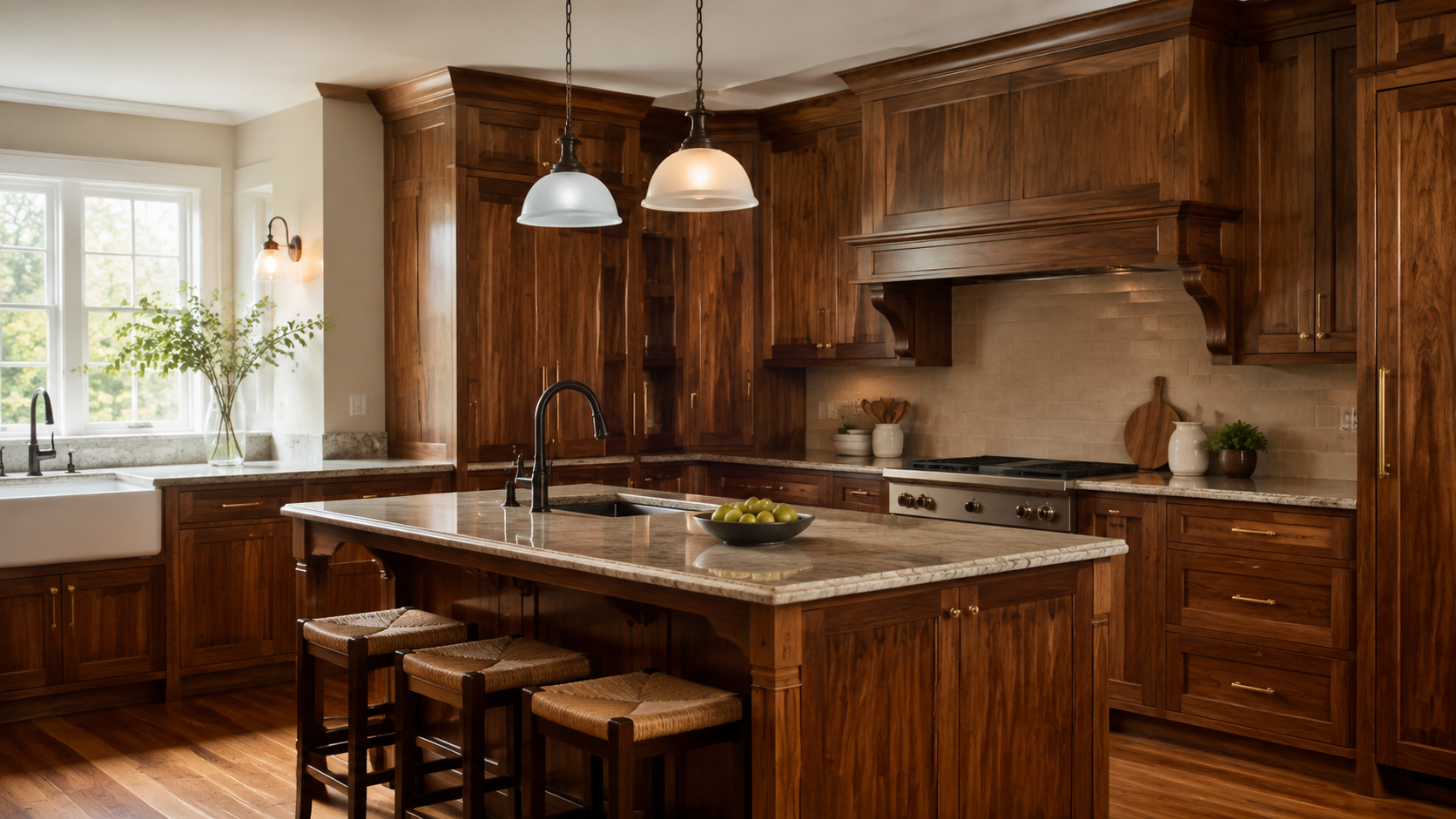
Cabinet refinishing can transform a kitchen without the demolition, expense, and long chain of decisions that often accompany a complete remodel. Naturally, the first question most Connecticut homeowners ask is simple: What will it cost?
The honest answer is that professional cabinet refinishing does not have one universal price. A small, well-maintained kitchen with simple doors is a different project from a large kitchen with an island, detailed profiles, heavy grease contamination, damaged wood, and a demanding color change. Labor rates and operating costs also vary by region.
National cost data can establish a reasonable frame of reference. HomeAdvisor’s current guide places many professional cabinet-refinishing projects between approximately $1,992 and $4,495. Angi’s broader cabinet-resurfacing guide lists refinishing at roughly $2,000 to $7,000. Those numbers are planning benchmarks—not promises for a Connecticut kitchen. A qualified local estimate should be based on the actual cabinetry and requested finish.
What “cabinet refinishing” should include
Before comparing prices, make sure every contractor is pricing the same type of work. Refinishing generally means preserving the existing cabinet boxes, doors, and drawer fronts while renewing their visible finish. Professional work may include labeling and removing components, cleaning and degreasing, repairs, surface preparation, masking, priming or conditioning, applying the chosen coating system, curing, reassembly, adjustment, and cleanup.
Refinishing is not the same as refacing. Refacing retains the boxes but replaces doors and drawer fronts and usually applies new material to exposed box surfaces. Angi currently reports an average refacing range of about $4,000 to $13,500, while HomeAdvisor places many refacing projects around $4,234 to $10,226. The added fabrication and materials explain much of that difference.
Full replacement is a separate category again. It can alter the layout and storage, but it may also trigger countertop removal, plumbing and electrical work, backsplash changes, wall repair, flooring work, and longer downtime. A low cabinet-only figure for replacement is not comparable with a complete refinishing proposal unless all related work is accounted for.
Nine factors that affect cabinet refinishing cost
1. Number of doors, drawers, and cabinet openings
Kitchen floor area is a poor pricing shortcut because two kitchens of the same size can have very different amounts of cabinetry. Component count and exposed surface area are more meaningful. Tall pantry doors, finished end panels, open shelving, decorative hoods, islands, crown molding, and glass-door frames all add work.
2. Cabinet condition
Sound cabinets with an intact, compatible finish may need less corrective work than doors with peeling coating, water staining, open joints, dents, cracks, or damaged edges. Repairable damage does not always rule out refinishing, but it should appear in the scope rather than being discovered after work begins.
3. Cleaning and contamination
Cooking vapor, grease, furniture polish, silicone, wax, and years of household cleaners can interfere with adhesion. Cabinets near ranges and frequently touched pulls often need extra cleaning. Applying a premium coating over contamination does not make the system premium; surface preparation remains essential.
4. Existing material and coating
Solid wood, wood veneer, medium-density fiberboard, laminate, and thermofoil do not behave the same way. Neither do lacquer, varnish, conversion coatings, oil finishes, and previously painted surfaces. Identification and adhesion testing help determine whether the desired result is technically appropriate.
5. Paint versus stain
A painted transformation and a transparent stained finish require different processes. Stain work exposes grain, color variation, repairs, and previous penetration. Moving from a dark stain to a lighter natural appearance may be especially challenging. Painted finishes can provide broader color freedom, but open-grain woods may need additional filling when a smoother appearance is expected.
6. Color change and finish quality
Going from medium brown to a similar tone is not the same as changing very dark cabinets to a crisp light color. Coverage, blocking, edge work, and primer selection can change. Specialty glazes, multi-step finishes, hand-rubbed effects, sheen requirements, and exact color matching also affect time and materials.
7. Hardware and hinge changes
Reinstalling existing knobs in existing holes is straightforward. Changing a one-hole knob to a two-hole pull requires precise measuring and drilling; unused holes may need filling. Moving to concealed or soft-close hinges can require boring, fitting, edge repairs, or modifications that should be priced explicitly.
8. Site access and protection
A freestanding workshop project and an occupied kitchen require different logistics. Floors, counters, appliances, adjacent rooms, ventilation paths, and household belongings need protection. Stairs, tight entries, parking constraints, and travel across Northern Connecticut may affect production planning.
9. Selective custom work
One advantage of working with a woodworker is the ability to combine refinishing with targeted improvements. Rebuilding a damaged drawer, matching a missing door, adding a panel, modifying a cabinet for an appliance, or creating coordinated trim can preserve the larger kitchen. Those items add cost, but they may prevent an unnecessary full replacement.
A realistic way to budget
Use national ranges to decide whether refinishing is broadly within reach, then obtain a project-specific inspection. Avoid multiplying an internet “price per door” by your door count and treating it as a finished quote. Doors are only part of the project; frames, box sides, toe kicks, drawer fronts, moldings, repairs, and site work matter.
| Budget question | Why it matters |
|---|---|
| How many components and exposed surfaces? | Measures the real production scope better than room size. |
| Are repairs included? | Prevents damage from becoming an unplanned add-on. |
| What preparation is specified? | Cleaning, sanding, and priming directly affect durability. |
| What finish system and sheen? | Clarifies the appearance and performance being purchased. |
| Who handles removal and reinstallation? | Confirms whether the proposal covers the complete process. |
| Are hardware changes included? | New pulls or hinges can add fitting and repair work. |
How to compare cabinet-refinishing estimates
The lowest number is not automatically the best value, and the highest number is not automatically the best work. Compare the written scopes. A useful proposal identifies which surfaces are included, how damage will be handled, what preparation is planned, the finish type, color and sheen assumptions, hardware responsibilities, and exclusions.
Ask to see relevant completed work. Look at corners, profiles, door edges, end panels, and high-touch areas—not only wide photographs taken from across a room. Ask how the contractor will address grease, damaged joints, failing previous coatings, and the transition between refinished areas and adjoining surfaces.
Also ask whether the existing cabinets are truly good candidates. A professional should be willing to recommend against refinishing when boxes are swollen, joinery is failing, widespread moisture damage exists, or the desired result is incompatible with the substrate. Expertise includes knowing when not to apply a finish.
Is cabinet refinishing worth it?
Refinishing often creates strong value when the layout works and the cabinetry is well built. It concentrates the budget on the visible transformation while preserving serviceable materials. It can also reduce disruption because the room is not being rebuilt from the walls outward.
Preservation has a broader material benefit as well. EPA data estimates that the United States generated 600 million tons of construction and demolition debris in 2018, with wood products accounting for about 40.8 million tons. Those figures cover many types of construction and demolition—not kitchen cabinets alone—but they show the scale of material discarded in the built environment.
Value is not only about spending less today. The result needs to last, look appropriate in the home, and avoid covering underlying problems. Good existing cabinetry plus a sound preparation and finishing plan is the combination that makes refinishing compelling.
What Connecticut homeowners should expect during an estimate
Start with your priorities: the color or wood tone you want, what you dislike about the existing cabinets, whether the layout works, and any hardware or storage changes under consideration. During an in-person review, the craftsman should count components, inspect representative interiors and sink bases, identify damaged areas, discuss finish expectations, and note trim and end panels.
At Elite Valor Wood Works, we evaluate the cabinetry before recommending a path. Sometimes refinishing is the smart answer. Sometimes refacing offers the needed style change, or a selective repair can save an otherwise sound kitchen. When replacement is genuinely necessary, homeowners deserve to know that before investing in surface work.
Frequently asked questions
What is the average cost to refinish kitchen cabinets?
Current national consumer cost guides place many professional cabinet-refinishing projects around $1,992 to $4,495, while broader resurfacing guides show refinishing ranges near $2,000 to $7,000. Connecticut pricing may fall below or above those benchmarks depending on cabinet count, condition, finish, access, and project complexity.
Why do cabinet-refinishing estimates vary so much?
The amount of preparation is often the largest variable. Door and drawer count, total surface area, previous coatings, grease contamination, repairs, grain filling, color changes, finish system, trim, islands, hardware, and site conditions all affect labor and material requirements.
Is cabinet refinishing cheaper than refacing?
Usually. Refinishing preserves the existing doors and drawer fronts, while refacing adds newly made fronts and typically new exterior-facing materials. National guides therefore tend to show a lower range for refinishing than refacing, although every project needs an individual assessment.
Can I get an accurate cabinet-refinishing quote from photos?
Photos can support an initial conversation, but a dependable proposal usually requires an in-person inspection. A craftsman needs to identify the substrate, existing coating, damaged areas, contamination, access, and exact number and type of components.
Does cabinet refinishing include new hardware?
Not automatically. Knobs, pulls, hinges, soft-close upgrades, and hole changes should be identified in the scope. Reusing hardware costs less; changing sizes or hinge types can require filling, drilling, fitting, and touch-up work.
Get a price based on your actual kitchen.
Share your goals, then let us inspect the cabinetry and prepare a clear recommendation for your Connecticut home.
Request a Free Estimate